How to start a motorcycle rental business in the Philippines
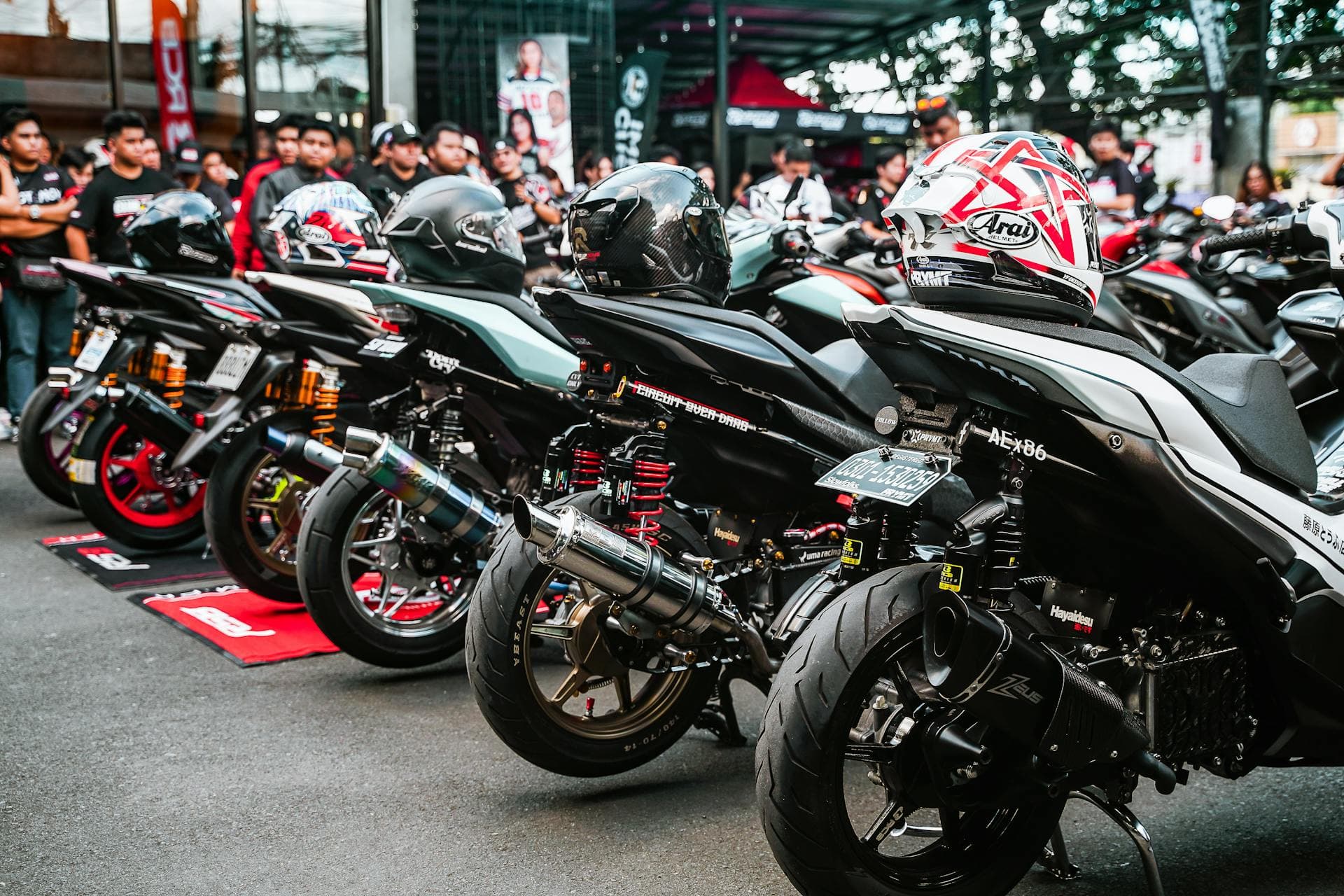
Motorcycle and scooter rentals are one of the easiest small businesses to start in the Philippines — and one of the easiest to run badly. A handful of bikes, a notebook and a group chat will get you off the ground, but it falls apart the moment two customers want the same unit on the same weekend. This guide walks through setting up a rental shop that stays organised as it grows.
1. Decide what you’ll rent — and to whom
Start narrow. A small fleet of reliable, fuel-efficient scooters (110–160cc) is the bread and butter of tourist and commuter rentals. Bigger touring bikes earn more per day but sit idle more often and cost more to repair. Pick a niche you can actually service.
- Tourist areas favour automatics that anyone can ride.
- Long-term commuter rentals reward durable, cheap-to-maintain models.
- Adventure or big-bike rentals are higher margin but higher risk.
2. Sort out the legal basics
Register your business, keep your units properly registered and insured, and check the rules in your city or municipality — some LGUs have specific requirements for rental operators. Always verify a renter’s driver’s licence before a hand-over, and keep a record of it. This guide isn’t legal advice; confirm the current requirements with the LTO and your local government before you open.
3. Set rates you can defend
Price per day, with cheaper weekly and monthly rates to keep units moving. Work backwards from your costs: amortise the bike, add maintenance, fuel for test rides, and the days a unit sits unbooked. A rate that looks great until you factor in downtime isn’t a real rate.
4. Take a deposit — every time
The security deposit is what protects you against damage, late returns and unpaid fuel. Decide your amount, write down the rules for what gets deducted, and record condition at check-out so there’s no argument at return. Photos of the bike before it leaves are the single best dispute-killer you have.
5. Put it in writing
A clear rental agreement sets expectations and protects both sides: rental period, rate, deposit, fuel policy, who pays for damage, and what happens if the bike is returned late. See our guide on what to include in a motorcycle rental agreement.
6. Get organised before you scale
The shops that grow smoothly are the ones that get their system right early. You need to know, at a glance: what’s booked, what’s free, who has which bike, who owes you money, and which deposits are still held. A notebook can do this for three bikes. It can’t do it for fifteen.
This is exactly what hoppii is built for — one calendar for the whole shop, bookings from reservation to deposit return, payments and deposits in one ledger, and rental agreements that print themselves. You can start free and have your fleet loaded in an afternoon.